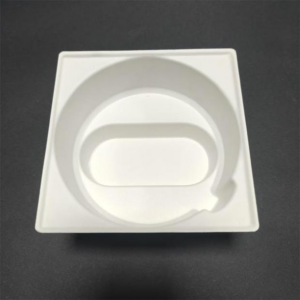
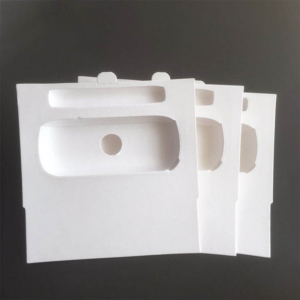
China, home to roughly one-third of the world’s bamboo resources, has launched a national “bamboo replacing plastic” (以竹代塑) initiative to accelerate the substitution of plastic with renewable bamboo materials.
Policy Background
In 2023, China’s National Development and Reform Commission and other departments issued the Three-Year Action Plan to Accelerate “Bamboo Replacing Plastic”. The plan sets targets to establish an initial industrial system for bamboo substitution by 2025, covering daily necessities, packaging, building materials, and industrial products.
Why It Matters
The policy signals strong government backing for bamboo as a strategic renewable material. It drives investment in processing technology, product standardization, and quality systems across the bamboo supply chain. For international buyers, this means a more mature, reliable, and cost-competitive supplier base in China.
Product Directions
• Bamboo daily necessities — tableware, toothbrushes, combs
• Bamboo packaging — replacing plastic packaging
• Bamboo home goods — storage, furniture, decorative items
• Bamboo building materials — panels, flooring
Opportunity for Buyers
Bamboo’s environmental profile — renewable, biodegradable, low-carbon — aligns with global plastic-reduction trends. Sourcing bamboo products from China combines policy-backed supply stability with strong sustainability credentials, a compelling proposition for Japanese and Western markets alike.