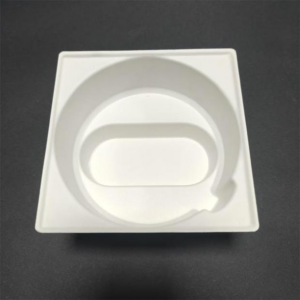
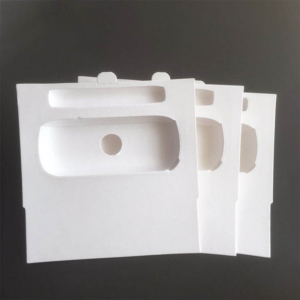
Bamboo is one of nature’s fastest-growing renewable resources — and one of the most overlooked when it comes to sustainable product design.
Carbon Sequestration Powerhouse
A bamboo grove absorbs up to 35% more CO₂ than an equivalent stand of hardwood trees. Bamboo reaches maturity in just 3–5 years, compared to 30–50 years for most timber species — making it one of the most climate-positive raw materials on Earth.
Biodegradable End-of-Life
Unlike plastic or composite materials, untreated bamboo naturally decomposes within months. Even lacquered bamboo products break down far faster than synthetic alternatives, reducing landfill burden and microplastic pollution.
Replaces Single-Use Plastics
Bamboo toothbrushes, kitchen utensils, and home goods directly replace petroleum-based products. A single bamboo kitchen utensil set can replace dozens of plastic items over its lifetime — a tangible reduction in household plastic use.
What Western Buyers Care About
The European Union’s Single-Use Plastics Directive, California’s plastic bans, and growing retailer commitments to sustainable sourcing are creating strong demand for renewable alternatives. Retailers increasingly require FSC-certified bamboo, BPA-free coatings, and compostable packaging — all available from quality Chinese manufacturers.
Sustainability isn’t just a marketing angle; it’s the foundation of long-term product value in international markets.